ThoughtSpark proudly announces its longstanding partnership with Credencys, one of the fastest-growing System Integrators within the Syndigo ecosystem. This partnership has flourished through numerous successful implementation projects and continues to set new standards and push the boundaries of innovation in our industry.
At the heart of this partnership is our shared commitment to delivering exceptional value to our customers. Credencys, widely known for its expertise in Master Data Management, continuously enhances its capabilities and pursues new business avenues. ThoughtSpark actively contributes domain knowledge, Syndigo solution, and implementation expertise to lay the foundations for enriching PIM-MDM experiences for the customers.
“ThoughtSpark has been a pivotal Enabler in our journey to forge a robust partnership within the Syndigo ecosystem.”, said Ninad Raikar, Executive Vice President at Credencys. “Their seamless support spans from sales engagement to implementation and app development, making them an indispensable asset.”
Our collaboration with Credencys spans a wide spectrum—from pre-sales and sales to evaluation, implementation, and execution. We are also working hand-in-hand to identify market opportunities and engage in joint selling efforts for Syndigo, driving growth and success independently. Through numerous customer engagements, we combine ThoughtSpark’s deep knowledge of Syndigo with Credencys’s MDM expertise, creating a powerful synergy.
Our leadership teams, both based in Houston, regularly engage in strategic discussions on go-to-market strategies, sales approaches, and industry solutions. To further strengthen our partnership, we have co-located our teams, and we also held extensive joint training sessions at ThoughtSpark’s Surat office earlier this year. These training sessions, facilitated by Syndigo, contributed to enhancing our collective app development expertise.
“The alignment of our go-to-market strategies and industry insights highlights the vast potential of our partnership. By harnessing our combined strengths in these areas, we are well-positioned to achieve exceptional growth, drive innovative solutions, and set new standards in the market,” remarked Amit Rai, President at ThoughtSpark.
Thoughtspark and Credencys also continue to collaborate in joint solution packaging and building go-to-market strategies with the intent to positively impact Syndigo’s market reach. One such initiative is the Automotive Aftermarket solution, aimed at simplifying the data exchange between Manufacturers, Distributors, and Retailers in this segment. Looking ahead, ThoughtSpark remains committed to this partnership and many more successful customer engagements.
“These types of strategic collaborations within our ecosystem create tremendous value for Syndigo and our customers. The partnership that ThoughtSpark and Credencys have brought to market enables the combination of strong industry-specific knowledge with deep domain expertise on the Syndigo platform. This approach creates competitive advantages for organizations that want to move quickly to realize ROI from their data strategy.”, commented Dominic Citino, Partnerships & Alliances Leader at Syndigo.
About Credencys:
Credencys Solutions is a data management solutions provider tailored to the unique needs of retail and consumer goods brands and manufacturing businesses. Widely regarded as a trusted advisor and strategic partner, the company has 15+ years of proven success in implementing cutting-edge Product Information Management & Master Data Management solutions that empower businesses to harness the full power of their data.
About ThoughtSpark:
ThoughtSpark stands as the pioneering Enabler in the Syndigo ecosystem. With longstanding experience and product expertise, ThoughtSpark is dedicated to driving innovation and delivering value-added solutions to its partners and clients. Driven by its passion to see the ecosystem flourish, ThoughtSpark’s endeavor centers around empowering Syndigo’s System Integrators (SIs) across the globe. As Enablers, ThoughtSpark helps the SIs sell more, implement better, and scale faster through their specialized offerings. With over 80 Syndigo experts spread across the globe, Thoughtspark partners with System Integrators in the ecosystem, enabling them to establish and grow their Syndigo practice.
For more details, explore our full Press Release here.
Effective product information management is fundamental for businesses aiming to thrive in a competitive environment. Product Information Management (PIM) solutions provide a centralized system to streamline and unify product data across all channels. A Forrester report shows that implementing PIM solutions can lead to a 30% improvement in operational efficiency. This blog will uncover the essential features of PIM solutions and explain how they can significantly enhance your business processes.
Key Features of Product Information Management
1. Centralized Data Management
Managing product information across multiple systems can lead to inefficiencies and errors. A centralized data management system consolidates all product information into one unified platform. This approach reduces discrepancies and ensures that all departments access a single source of truth.
Centralized management improves accuracy and simplifies data retrieval. It eliminates the need for duplicate entries and manual updates, freeing up valuable time for you and your team. This efficiency is critical for maintaining high standards in a competitive market.
A Gartner study found that companies using centralized PIM systems reported a 20% reduction in data errors and a 10% increase in productivity. Centralization enhances data accuracy, which is crucial for maintaining customer trust and operational efficiency. Businesses can easily avoid costly mistakes and improve their overall performance with fewer errors.
2. Integration Capabilities
PIM solutions don’t operate in isolation. They need to integrate with other systems, such as PLMs, ERPs, CRMs, warehousing, e-commerce platforms and BI systems. Effective integration ensures that product data flows smoothly across varied systems, minimizing manual data entry and reducing the risk of errors.
Integration capabilities are essential for a cohesive IT ecosystem. They enable data synchronization across various platforms, improving workflow and ensuring that information is accurate and up to date.
According to Aberdeen Group, businesses that integrate their PIM with ERP systems see a 20% reduction in manual data entry tasks and a 15% increase in overall efficiency. Integration helps eliminate data silos and ensures that all systems work with accurate, up-to-date information. This integration leads to a more streamlined operation and better resource utilization.
3. Support of Rich and Contextual Content
Basic product information such as name, description, and price is essential, but the ability to support rich and contextual content can significantly enhance its value. This includes providing detailed descriptions, high-quality images, videos, and other media that make the product more appealing and informative.
Additionally, enhanced content tailored for platforms like Amazon and other retailers can further boost the product’s visibility and attractiveness. Contextual content, such as language, geo-specific, and department-specific details, ensures that the product information is relevant to different customer segments.
McKinsey & Company reports that companies using such advanced content strategies see up to a 15% increase in online conversion rates. By offering enriched and contextually relevant content, customers can make more informed purchasing decisions, leading to higher sales and improved customer satisfaction. Detailed and attractive product information not only sets your offerings apart from competitors but also drives more sales.
4. Omnichannel Distribution
Today’s consumers engage with brands across multiple channels, including online stores, mobile apps, social media, and physical retail locations. A PIM solution makes sure that product information is consistent across all these channels, providing a seamless and reliable experience for customers.
Consistency in product information helps build trust and reduces confusion. It ensures that customers receive the same information no matter where they interact with your brand.
According to eMarketer, businesses with consistent product information across channels experience up to a 20% increase in customer retention rates. Consistency helps build trust and reduces confusion, resulting in a more positive customer experience and enhanced brand loyalty. It also streamlines operations and reduces the risk of errors or discrepancies in product information.
5. Scalability and Flexibility
As your business grows, so does the complexity of managing product data. A scalable PIM solution can handle increased data volumes and adapt to changing market conditions without compromising performance. Scalability ensures that your PIM system can grow with your business, accommodating new products and market demands with ease.
Forrester found that businesses with scalable PIM solutions could expand their product lines by up to 30% while maintaining operational efficiency. Scalability lets businesses adapt to market changes and growth opportunities without having to overhaul their data management systems. This flexibility is imperative for staying competitive in a dynamic market.
6. Data Governance and Compliance
Effective data governance ensures that product information is accurate, consistent, and compliant with industry regulations. This is particularly important for businesses in regulated industries where compliance is critical.
Data governance comprises establishing policies and procedures for managing data quality, security, and compliance. It helps ensure that your product information meets all necessary standards and avoids costly fines or penalties.
A report by IDC highlights that strong data governance practices lead to a 25% reduction in compliance-related issues. Proper data governance helps avoid costly fines and penalties and ensures that your product data meets all necessary standards. It also improves data quality and reliability, which can enhance decision-making and operational efficiency.
7. Real-Time Data Access
Accurate data must be accessed quickly in a rapidly changing market to make wise decisions. PIM solutions give organizations instant access to data, allowing them to react swiftly to market shifts and client demands.
Real-time data access allows companies to monitor performance, track trends, and adjust their strategies in a timely manner. It supports agile decision-making and helps businesses stay ahead of the competition.
Deloitte reports that businesses with real-time data access experience a 30% improvement in decision-making speed. Immediate access to data allows companies to react swiftly to opportunities and challenges, driving agility and competitive advantage. Real-time data also supports better forecasting and planning, enabling more effective business strategies.
8. Customizable Workflows
Every business has unique processes and workflows. A PIM solution with customizable workflows allows you to tailor the system to fit your specific needs, enhancing efficiency and productivity. Customizable workflows ensure that the PIM system supports your business processes and integrates smoothly with your existing operations.
Gartner found that companies with customizable PIM workflows experience a 20% increase in operational efficiency. Customization helps streamline processes, reduce bottlenecks, and improve overall workflow. It also allows businesses to adapt the system to their evolving needs and priorities.
9. Enhanced Collaboration Features
Effective team collaboration is crucial for managing product data efficiently. PIM solutions provide features that facilitate collaboration, such as shared access, task management, and communication tools. These features help teams work together more effectively, streamline processes, and enhance productivity.
By integrating AI and ML technologies, collaboration can be further optimized. AI can automate routine tasks, while ML can provide predictive insights that help teams anticipate challenges and make data-driven decisions. This leads to even greater efficiencies, faster project completion, and more successful product launches.
A Harvard Business Review article indicates that businesses with enhanced collaboration features see a 15% increase in project completion rates. When combined with AI and ML, these tools not only support better alignment and communication across departments but also drive significant improvements in overall productivity and outcomes.
10. Analytics and Reporting
PIM solutions come with built-in analytics and reporting tools that provide valuable insights into product data. These tools help track performance metrics, identify trends, and make data-driven decisions. Analytics and reporting features enable businesses to monitor their performance, optimize their operations, and make strategic adjustments.
According to Forrester, companies using PIM analytics experience a 25% improvement in data-driven decision-making. Advanced reporting features enable businesses to make more informed strategic decisions, driving growth and efficiency. Effective analytics also supports a better understanding of customer behavior and market trends.
11. Cloud-Based PIM with SaaS Offerings
PIMs are cloud-based and offer Software as a Service (SaaS) solutions to ensure scalability, flexibility, and ease of use. Cloud-based PIM solutions allow businesses to access their product data from anywhere, facilitating remote collaboration and ensuring that teams can work together seamlessly, regardless of their location. SaaS offerings also reduce the need for extensive on-premise infrastructure, lowering costs and simplifying maintenance.
Additionally, cloud-based PIMs can be easily updated with the latest features and security patches, ensuring that businesses are always using the most up-to-date technology. The SaaS model also supports a pay-as-you-go approach, allowing companies to scale their usage according to their needs, making it a cost-effective solution for businesses of all sizes.
12. Comprehensive Security and Compliance Support
PIM software and companies support a client’s security and compliance needs, such as SOC II, data privacy regulations, and other industry-specific requirements. As product data is a critical asset for businesses, ensuring its protection is paramount. A robust PIM solution offers built-in security features that safeguard data against breaches and unauthorized access.
Compliance with standards like SOC II and data privacy regulations is not just a differentiator but a necessity in today’s market. PIM providers ensure that their solutions meet these rigorous standards, offering clients the confidence that their data is secure and that their business operations are in line with regulatory requirements. This level of security and compliance support is essential for maintaining trust and ensuring smooth operations across global markets.
Conclusion
Incorporating a PIM solution into your business strategy can lead to considerable improvements in efficiency, accuracy, and customer satisfaction. You can enhance your product information management processes and gain a competitive edge by leveraging key features such as centralized data management, seamless integration, advanced data enrichment, and real-time access.
If your business is not yet using a PIM solution, it might be time to consider one. Assess your current systems, identify areas for improvement, and explore how a PIM solution can help streamline your operations and support your growth.
By investing in a robust PIM system, you can ensure that your product data is managed effectively, enabling your business to respond swiftly to market changes, enhance customer experiences, and drive long-term success.
Today, staying ahead of the competition requires organizations to be data centric. Imagine an enterprise that makes informed decisions, streamlines operations, and provides a seamless, world-class customer experience. This is achievable when an organization adopts a data-first approach and has a clear strategy and roadmap to make data the hero. Among the many investments an organization makes in technologies and data solutions, implementing the right Master Data Management (MDM) solution correctly will serve as a robust foundation for the enterprise data landscape.
Effective business leaders understand the importance of proper data management for maintaining operational excellence and driving strategic initiatives. A comprehensive MDM system enhances an organization’s awareness of data, ensures consistency, accuracy, and reliability, and provides a single source of truth that improves decision-making and strategic planning.
Explore with us the key strategic features to look for in an MDM solution that could enable and empower your business to achieve its goals.
Features to look for in Master Data Management (MDM) Solutions:
Supporting Diverse Implementation Styles
Master Data Management (MDM) solutions must be adaptable to various implementation styles. This means they should support both on-premises and cloud-based deployments, as well as hybrid models. This flexibility allows organizations to choose the best approach based on their specific needs, existing IT infrastructure, and business goals. Whether a business prefers the control of on-premises systems, the scalability of cloud solutions, or a combination of both, the MDM system should be able to accommodate these preferences while ensuring seamless integration and data consistency.
Scalability and Flexibility
As businesses grow, their data management needs evolve. MDM solutions should be scalable to accommodate increasing data volumes and flexible to adapt to changing business requirements. This scalability supports long-term growth and ensures the solution remains relevant and effective.
Scalability and flexibility are essential for accommodating new data sources, applications, and business processes. An MDM solution should be able to handle large volumes of data, support multiple data domains, and adapt to changing business needs. This ensures that the solution can grow with the organization and continue to deliver value over time.
Integration Capabilities
A strong MDM system integrates with existing IT infrastructure, including ERP, CRM, and other legacy systems. This integration capability helps ensure that master data is synchronized across all systems, eliminating data silos and promoting a unified view of critical business information.
This is crucial for achieving data consistency and enabling real-time data sharing across the organization. By connecting various data sources and applications, an MDM solution ensures that all stakeholders have access to the same accurate and up-to-date information. This integration supports streamlined business processes, improved collaboration, and enhanced decision-making.
Hierarchy Management
Effective hierarchy management is a key feature of MDM solutions. This functionality allows organizations to define, manage, and visualize complex data hierarchies and relationships within their data sets. Hierarchy management is essential for maintaining data integrity and ensuring that data is accurately represented across different levels of the organization. It supports various business processes, from financial reporting to supply chain management, by providing a clear and consistent view of how data elements relate to one another. This ensures that all stakeholders have access to accurate and meaningful information, enhancing overall data quality and decision-making.
Automation and Process Optimization
MDM solutions enhance operational efficiency by automating data management processes and reducing manual interventions. This leads to cost savings, faster time to market, and improved agility in responding to market changes.
Operational efficiency is essential for reducing costs, improving productivity, and maintaining competitiveness. An MDM solution should support the automation of data management processes, such as data cleansing, data integration, and data synchronization, to reduce manual efforts and minimize errors. This enhances the efficiency of business operations, supports faster time-to-market, and improves the organization’s ability to respond to changing market conditions.
Advanced Analytics and Insights
MDM systems provide powerful analytics tools that enable executives to gain deep insights into business performance. By leveraging advanced analytics, organizations can uncover trends, identify opportunities, and make data-driven decisions that enhance competitiveness and profitability.
Analytics capabilities allow organizations to analyze large volumes of data, identify patterns and trends, and derive actionable insights. This supports strategic decision-making, helps identify new business opportunities, and drives business growth. By integrating analytics within the MDM solution, organizations can ensure that data-driven insights are readily available to all stakeholders.
Data Security and Compliance
Protecting sensitive data is a top priority for any organization. MDM solutions incorporate robust security measures, including role-based access control and encryption, to safeguard data. Additionally, they help ensure compliance with regulatory requirements, reducing the risk of data breaches and associated penalties.
Both factors are critical for protecting sensitive information, maintaining customer trust, and avoiding regulatory fines. An MDM solution should include robust security features, such as data encryption, access controls, and audit trails, to protect against unauthorized access and data breaches. Additionally, the solution should support compliance with relevant regulations, such as GDPR and CCPA, by providing data governance, data lineage, and consent management features.
Data Matching, Merging and Linking Capabilities
Matching, merging, and linking are critical features of an effective MDM solution. These capabilities enable the system to identify and consolidate duplicate data, link related data elements, and maintain a single, accurate view of master data. By automating these processes, the MDM solution reduces data redundancy and enhances data quality. This ensures that the organization operates with the most accurate and comprehensive information, supporting better decision-making and operational efficiency.
Effortless SaaS and Cloud Native Implementation
The ease of implementing MDM solutions in a Software as a Service (SaaS) or cloud-native environment is a significant consideration for modern businesses. Cloud-based MDM solutions offer scalability, flexibility, and cost-efficiency, making them an attractive option for many organizations. The solution should be designed to integrate seamlessly with cloud infrastructure, providing a smooth implementation process and ongoing support. This ensures that businesses can quickly leverage the benefits of cloud technology, including reduced IT overhead and enhanced accessibility, while maintaining robust data management capabilities.
Conclusion
A comprehensive MDM solution is essential for top-level executives aiming to drive strategic initiatives and achieve business goals. An MDM system forms the backbone of a data-driven organization by ensuring data quality, enhancing integration, supporting scalability, providing advanced analytics, and safeguarding data security. Investing in a robust MDM solution improves operational efficiency and empowers executives with insights to make informed, strategic decisions.
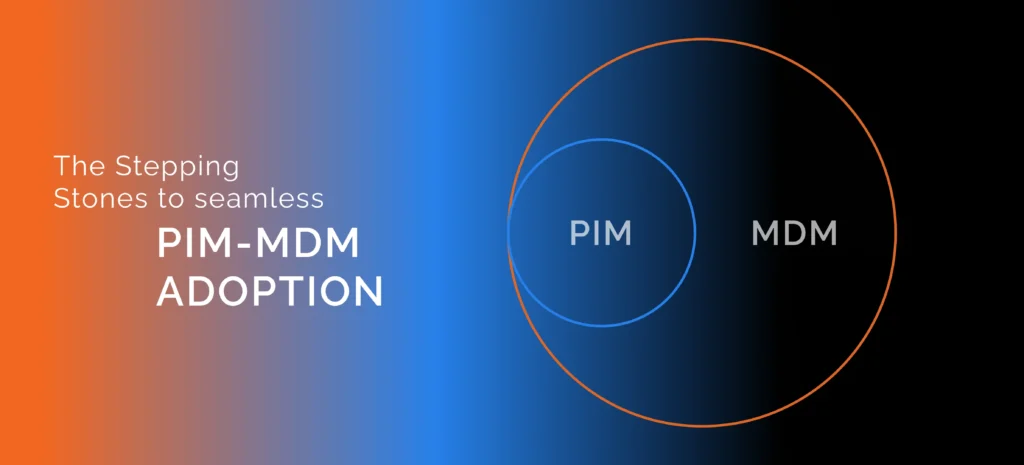
Focusing on these key strategic features can help organizations leverage MDM solutions to enhance data governance, improve data quality, and drive business growth. Integrating PIM within the MDM framework further strengthens the organization’s ability to manage product information, support omnichannel strategies, and deliver a superior customer experience. Watch out for our next blog that outlines the key features of PIM.
Digital transformation has become critical for organizations striving to maintain a competitive edge. According to a recent Gartner report, 91% of businesses are involved in some or the other form of digital initiative, underscoring the widespread adoption of new technologies. For companies looking to stay ahead, integrating Master Data Management (MDM) systems into traditional workflows can streamline operations, enhance data quality, and drive strategic growth. However, adopting these technologies often encounters resistance from within the organization. This blog aims to provide strategic insights to overcome such resistance seamlessly and successfully implement MDM in their established workflows.
Understanding Resistance to Change
Resistance to change is a natural human reaction. Especially in established organizations with deeply rooted workflows, employees may fear the unknown, worry about job security, or feel overwhelmed by the perceived complexity of new systems. Additionally, cultural factors such as a strong attachment to existing processes and a reluctance to disrupt the status quo play significant roles. Understanding these factors is crucial for executives aiming to mitigate resistance and foster a more receptive environment for change.
The Strategic Value of Master Data Management
Master Data Management (MDM) is more than just a technological upgrade; it’s a shift towards data-driven growth, and a strategic enabler for business transformation. It ensures the consistency, accuracy, and reliability of key data across the organization, vital for informed decision-making.
Here’s how MDM can drive strategic value:
Improved Data Accuracy and Consistency: It gets rid of data silos and makes sure that all departments have access to the same, accurate information. This leads to better coordination and more reliable analytics.
Enhanced Decision-Making Capabilities: With high-quality data, executives can make more informed decisions that match with the organization’s strategic goals. Accurate data supports risk management and helps identify new opportunities.
Better Customer Experiences: Accurate and consistent product information, often managed through integrated Product Information Management (PIM) systems within MDM, enhances customer satisfaction by providing reliable data across all customer touchpoints.
Regulatory Compliance: Maintaining accurate and up-to-date data helps organizations meet regulatory requirements. This is in particular important in industries with stringent compliance standards.
Successful implementation of MDM has transformed organizations by providing a single source of truth for data, leading to increased efficiency and better strategic outcomes.
Strategies for Overcoming Resistance
Implementing MDM requires a well-thought-out strategy to address and mitigate resistance. Here are some key strategies:
1. Engaging Stakeholders
Engaging stakeholders early and effectively is one of the most critical steps in overcoming resistance. Executive sponsorship and leadership are pivotal in driving change. Here are some strategies for engaging stakeholders:
Identify Key Stakeholders: Understand who will be most affected by the MDM implementation and involve them from the outset. This includes department heads, IT leaders, and data stewards.
Build a Compelling Business Case: Clearly articulate the benefits of MDM, like improved data quality, operational efficiency, and enhanced decision-making. Highlight how these benefits align with the organization’s strategic objectives.
Communicate the Vision: Share a clear and compelling vision of the future state with MDM. Use storytelling to illustrate how MDM will transform workflows and contribute to the organization’s success.
Engaging stakeholders helps build a sense of ownership and commitment to the change process, making it easier to overcome resistance.
2. Communication and Transparency
Effective communication is paramount when implementing new systems. A transparent approach helps build trust and reduces uncertainty. Consider the following:
Regular Updates: Provide frequent updates on the progress of the MDM implementation. Highlight milestones and address any challenges openly.
Two-Way Communication: Encourage feedback from employees at all levels. Create channels for questions, concerns, and suggestions to be heard and addressed.
Highlight Quick Wins: Early successes can build momentum and demonstrate the tangible benefits of MDM. Share these wins to reinforce the positive impact of the change.
Establishing a change communication plan can also ensure that all stakeholders are kept in the loop. This plan should outline what information will be communicated, by whom, and how often.
3. Training and Support
Comprehensive training and support are essential to ease the transition to new systems. Investing in these areas can significantly reduce resistance:
Tailored Training Programs: Create training programs specific to different organizational roles. Ensure that employees understand how MDM will affect their daily tasks and workflows.
Ongoing Support: Provide continuous support through helpdesks, online resources, and regular refresher courses. Make sure employees feel supported throughout the transition.
Change Champions: Identify and empower change champions who can advocate for the new system and assist their peers with the transition.
Moreover, various training methods, such as hands-on workshops, e-learning modules, and one-on-one coaching, should be considered to cater to different learning styles.
4. Aligning with Business Goals
Aligning MDM adoption with the organization’s broader strategic goals is crucial for securing buy-in from all levels of the organization. Here’s how to do it:
Strategic Integration: Demonstrate how MDM supports the organization’s strategic objectives, such as improving operational efficiency, enhancing customer experience, and driving innovation.
Future Growth Initiatives: Highlight how MDM can facilitate future growth initiatives by providing reliable data that supports strategic planning and decision-making.
Examples of Success: Share case studies or examples of other organizations that have successfully integrated MDM and achieved significant business benefits.
In addition, mapping out how MDM can solve current business pain points can help stakeholders see the new system’s immediate value and relevance.
5. Measuring success
To ensure the successful adoption of MDM, it’s important to measure progress and outcomes. Here’s how to approach this:
Key Performance Indicators (KPIs): Define KPIs that align with the strategic goals of the MDM implementation. These might include data accuracy rates, time savings, and improvements in decision-making quality.
Continuous Improvement: Data and feedback are used to continuously improve the MDM system. Performance is reviewed against KPIs regularly, and adjustments are made as needed.
Celebrate Milestones: Recognise and celebrate significant milestones in the MDM implementation process. This helps maintain enthusiasm and reinforces the new system’s value.
Furthermore, regular surveys and feedback sessions should be considered to gather insights into how the MDM system is performing and where further improvements can be made.
Conclusion
Adopting Master Data Management in traditional workflows is a strategic move that can result in significant business benefits. However, overcoming resistance to change is a critical aspect of this journey. Executives can lead their organizations through a successful transition by understanding the reasons behind resistance, engaging stakeholders, maintaining transparent communication, providing comprehensive training and support, aligning MDM with business goals, and measuring success. Embracing MDM enhances data quality and operational efficiency and positions the organization for sustained growth and competitive advantage in the digital age.
Emerging technologies like analytics, artificial intelligence, automation, and cloud computing drive a huge digital shift in the business landscape. Data serves as the cornerstone that connects these varied technologies. It’s more than just the new oil; it’s the lifeblood of today’s economic ecosystem. As organizations adapt, each digital encounter generates data, which drives digital transformation. However, for this data to be useful, it must be secure, well-managed, and organized. A strong data governance plan is critical as organizations figure out their path to Data-driven growth.
Understanding Data Governance
Data governance is a systematic strategy for managing, safeguarding, and optimizing an organization’s data assets. It is more than just a phrase; it’s a business’s strategic need. Data governance includes a collection of procedures, policies, and standards to guarantee that data is used effectively and responsibly throughout its lifecycle. It plays a crucial role in ensuring:
Better Decision-Making: Effective data governance leads to high-quality data which enables more accurate and informed decision-making processes.
Improved Data Security: Rigorous data governance ensures compliance with regulations, reducing the risk of breaches.
Enhanced Operational Efficiency: Streamlined data procedures under data governance lead to more efficient operations and resource utilization.
While these benefits are substantial, challenges such as resistance to change and complexity in implementation can arise, particularly in larger organizations. Successful strategies focus on delivering targeted value to specific goals before expanding across the organization.
Why should you have a strong Data Governance strategy?
Organizations commonly store unstructured data from various sources in non-relational databases or data lakes, which makes it difficult for them to analyze and manage it. The first step in implementing a data governance plan is to create data capture methods adapted to the needs of your organization and its departments, preventing unnecessary data collection.
A robust data governance strategy is important for achieving your organization’s goals. While each company’s plan will be unique, several key elements should be considered when developing and implementing data governance. The key objectives include:
Effective Utilization of Data: Ensure data is used correctly, minimizing errors and misuse. Clear data usage regulations and robust monitoring processes, including technical and commercial specifics, are critical.
Enhanced Data Security: Protect all data and prevent illegal access.
Misattributed Technology Issues: Issues with unclear reports frequently result in the technology being unfairly blamed, causing confusion and delays in resolving underlying issues.
The role of Data Governance in a Data Strategy
The goal is to create a data governance program that effectively supports the data strategy by prioritizing what is most important. Governance should establish a framework for accountable data stewardship, supporting tactical measures aimed at achieving higher-level strategic goals. It focuses on all three legs of the “people, processes, and technology” stool by providing a structured set of rules for employees, a process-oriented framework for setting priorities and addressing issues or opportunities, and a technological base to ensure data integrity and produce dependable outcomes at scale. When this framework is implemented- the benefits are evident, and the required momentum is also achieved.
Here’s how it helps:
Ensuring data quality and consistency
Data governance guarantees that data is reliable, accurate, and consistent across the organization. Defining data standards, policies, and procedures enables organizations to implement data quality controls, validation criteria, and cleansing processes. This ensures the data is fit for purpose and can be trusted for decision-making requirements, analysis, and reporting.
Facilitating Regulatory Compliance.
Data governance ensures that businesses consistently adhere to legal legislation and industry standards. It supports the development of data governance frameworks that adhere to legal standards, ensuring data protection, retention, and usage restrictions are followed. By adhering to regulatory requirements, organizations can avoid legal and financial penalties associated with noncompliance.
Enabling Data-Driven Decision Making
Data governance enables firms to leverage data as a strategic asset in decision-making. Data governance practices enable organizations to ensure that data is accurate, full, and accessible to key stakeholders. This provides reliable and timely insights to key stakeholders, enabling data-driven decision-making and further improving overall business performance.
Encouraging Cooperation and Trust in Data
Within a company, data governance fosters trust and cooperation amongst data stakeholders. Data governance promotes accountability and cross-functional cooperation by clearly outlining roles, duties, and data ownership. This promotes an organizational culture of data-driven growth with enhanced data sharing, and dismantled data silos.
Controlling Data Risks and Reducing Data-Related Problems
Thanks to data governance, businesses may successfully identify and manage data risks. By implementing data governance rules, organizations can proactively identify data-related issues such as data inconsistencies, data duplication, and data quality problems. This enables businesses to manage risks, take corrective action, and prevent any data-related problems from interfering with regular company operations.
Conclusion
In today’s data-driven environment, a well-structured data governance policy is not just good-to-have but a must-have for any organization. It is the blueprint that guarantees effective, safe, and value-adding data management for your business. In the absence of a strong data governance plan, the dangers of improper data management, security breaches, and lost opportunities are significant. Organizations must embrace data governance as a key component of their success to prosper in the digital era.
Businesses across industries are increasingly adopting solutions like Product Information Management (PIM) and Master Data Management (MDM) to precisely and efficiently manage, aggregate, and disseminate product data. These technologies are becoming essential for maintaining data accuracy, improving decision-making, and enhancing operational efficiency.
Despite the growing recognition of the benefits of PIM and MDM, many businesses still face significant challenges in implementing these solutions. These challenges often stem from a lack of awareness about their capabilities and complexities, leading to underutilization and inefficiencies. By addressing them proactively, businesses can fully leverage the potential of PIM and MDM solutions, driving better data management and operational outcomes.
PIM and MDM Integration Challenges and Solutions
Overcoming obstacles faced during PIM MDM (Product Information Management and Master Data Management) adoption require a strategic approach, starting with a comprehensive understanding of the organization’s existing data landscape and establishing clear objectives for PIM and MDM implementation. By tackling these challenges head-on, companies can harness the full potential of PIM and MDM solutions:
Ensuring Accurate Product Information
Managing your product data effectively is essential for a successful business. Product Information Management (PIM) helps businesses store and organize content, images, videos, and other digital assets in a centralized repository. This ensures that your product information is optimized and distributed across various marketplaces in line with relevant standards for each channel.
PIM integration relies heavily on accurate and consistent data. Inaccurate data can disrupt the integration process, leading to potential issues and decreased customer trust. Therefore, ensuring your data is clean and precise is vital before choosing a PIM solution for your company. This step will help you provide reliable information across all channels, enhancing the overall customer experience.
Complexity and Vastness of PIM & MDM solutions
Due to their advanced functionalities and intricate interfaces, PIM solutions can sometimes feel overwhelming, especially for new users. It’s important to recognize the distinction between a complex PIM solution and a feature-rich one. One of its main drawbacks is that extremely complicated product information management software can be challenging to operate. With an advanced PIM program, managing and updating information effectively might be challenging because of its high learning curve. Furthermore, the system’s intricacy may delay users’ access to the necessary information.
Invest in a PIM program that is easy to use, adaptable, and appropriate for your company. The best PIM solutions are streamlined and easy to use. They’re ideal for any business because they’re straightforward to use and comprehend.
Evaluating Cost and ROI of PIM Solutions for Brands
When selecting a Product Information Management (PIM) solution, brands should conduct a comprehensive cost analysis to determine the most suitable option without incurring unnecessary expenses. It is crucial to evaluate how effectively the PIM system can meet business needs cost-efficiently.
Brands must consider the overall return on investment (ROI) by assessing potential benefits such as streamlined operations, increased productivity, and improved data accuracy. A well-chosen PIM solution can lead to significant savings by reducing time to market and minimizing operational inefficiencies.
Businesses should prioritize cost-effective PIM solutions that offer measurable ROI by optimizing processes and supporting business growth, ensuring that investments are aligned with achieving strategic objectives without overspending on unnecessary features
Ensuring Data Trustworthiness
Ensuring data trustworthiness, accessibility, and accuracy is paramount in today’s corporate environment. To build trust in data and enhance customer satisfaction, businesses must implement robust backup solutions and stringent security measures.
Equitable and appropriate data access is also critical for regulatory compliance and competitive advantage. Different stakeholders require varying access levels with clearly defined access points, fostering an efficient and secure operational environment.
Maintaining its logical and physical integrity is increasingly important as data becomes more diverse, abundant, and significant. Regular testing of data integrity and ensuring compliance with industry and regulatory standards are essential practices. By prioritizing data integrity, companies can enhance their operational efficiency, build customer trust, and maintain a competitive edge in the market.
Conclusion
Unlike most IT initiatives, PIM and MDM solutions require a strong business focus, understanding, and enterprise-wide permeability to enhance operational processes and the caliber of product data. This is required to produce and utilize business cases to determine the precise returns on investment for a PIM or MDM implementation that works.
Evaluating the return on investment (ROI) for Product Information Management (PIM) and Master Data Management (MDM) solutions is crucial. This process helps pinpoint the areas where these solutions will have the most significant impact. Additionally, it offers a structured approach to dividing the project into manageable phases and focusing on areas that promise the highest returns.
Effective product information management (PIM) is essential for firms dealing with large catalogs. Maintaining data consistency and upkeep across internal systems and sales channels can be challenging, often leading to inefficiencies and errors. However, these difficulties can be addressed with a robust Product Information Management (PIM) system.
A strong PIM system can streamline product information management, ensuring data consistency and accuracy across multiple platforms. For instance, companies implementing PIM systems report up to a 40% increase in data accuracy and a 30% reduction in time spent managing product data.
PIM systems facilitate the creation of compelling product narratives by integrating data from various sources and presenting it cohesively across different customer touchpoints.
The adoption of PIM systems is growing across various categories, including retail, manufacturing, and distribution. To fully leverage the benefits of PIM, businesses must adhere to best practices such as ensuring data completeness, maintaining data quality, and regular system audits. Adhering to these guidelines can help businesses unlock the full potential of their PIM systems, resulting in better product stories and improved customer engagement.
PIM Best Practices To Follow
PIM needs to be viewed from three main perspectives:
A technical platform
Manner of working
Business enabler
This is in addition to delving deeply into the scope, business needs, the impact of implementation on vendors, partners, and other external organizations, and how it cascades to the end customer. Businesses risk becoming lost if they overlook any one of these viewpoints. Product Information Management is a strategic choice that requires financial commitment to adhere to the growth and progress concept of continuous improvement.
1. Establish your requirements and implementation plans
If you intend to alter how you handle your product information, present a compelling business case, raise awareness of the need for improvement, and secure funding and resources to support the change.
Create a list of PIM criteria, such as the following, before thinking about PIM software:
Operating on the cloud
Providing mass editing capabilities
Real collaboration
Robust digital asset management system
Using AI and machine learning
2. Define roles and responsibilities
Working together on product content directly within the PIM system can greatly accelerate operations and remove content issues. Depending on your company’s needs, the creation of product content may benefit from the involvement of the marketing department, eCommerce management, or even outside partners.
Because of this, you must select a PIM system that allows you to create many roles with varying levels of access without taking unneeded risks. These consist of the read-only, admin, product manager, and publisher access levels, each with default rights.
3. Standardizing Product Data with a Centralized PIM System
Businesses can streamline and standardize data management by establishing a single, centralized repository for product information. This approach provides a unified view for searching, updating, and publishing product material across multiple channels. Such a system allows the creation of validation rules, ensuring a uniform, industry-standard format for product attributes and categories.
Moreover, using a centralized PIM system helps eliminate the fragmentation of product data across various tools and platforms. According to Ventana Research, 56% of businesses maintain more than five systems holding product data, often resulting in inconsistent data formats and disjointed metadata. A streamlined approach minimizes human error and optimizes time to market, offering a competitive edge in product management and enhancing cross-sell and upsell potential.
4. Data integration is crucial
The majority of businesses utilize more than five systems that hold product data. They must all be integrated to create a single, unified set of data. Given these conditions, it is not unexpected that one of the main justifications for centrally handling product material in a PIM system is data integration.
The greatest PIM supplier currently offers dozens of connectors that are easily accessible. Sources of incoming data may include:
ERP system
Excel files/Spreadsheets
Custom-built systems and platforms
5. Enhancing customer experience with PIM
By integrating PIM capabilities, businesses can significantly enhance customer experience. A B2B Marketing/Earnest poll revealed that 83% of participants would recommend a company to others after a positive experience, and 96% of respondents stated customer experience would impact whether they would make another purchase. With a PIM platform, companies can develop and manage a comprehensive body of material for each product at various customer journey stages. This facilitates multichannel sales and addresses potential obstacles, allowing businesses to connect with customers directly and ensure accurate and compelling product information. By prioritizing product information, PIM helps create a more customer-centric experience, aligning with placing the customer at the center of marketing and sales decisions.
6. Fostering Cultural Transformation and Capturing Your PIM Vision
Business evolution lies at the heart of Product Information Management (PIM), which involves scaling, adjusting, and growing the organization, along with making bold decisions like data quality improvement and process revamping. A PIM vision should include initiatives such as modernizing outdated processes, rethinking business procedures, implementing new assortment strategies, and exploring new syndication channels.
Additionally, fostering cultural transformation within the organization is essential. Employees, contractors, and vendors may not be fully aware of the impact of modernizing antiquated processes and improving collaboration on productivity, accuracy, and work speed. Leaders should prioritize ongoing workshops, inductions, and training to encourage understanding and commitment to the organization’s evolving business vision.
Conclusion
Whether you’re a high-volume shop or just starting your online business, implementing these PIM best practices can give you a competitive edge, increase efficiency, and increase online sales. Understanding that your product knowledge is your genuine “asset,” and sales channels serve as the asset’s ultimate test. To put it another way, knowledge about your products is just as helpful as the actual products. PIM best practices also ensure that.
Syndigo is a market-leading PIM-MDM solution. With its Partner First strategy driving ecosystem growth, more and more System Integrators (SIs) are looking to collaborate with Syndigo. With digital transformation sweeping across industries, businesses are embracing data management tools like PIM-MDM (Product Information Management- Master Data Management), recognizing the importance of centralizing and managing product information efficiently. With Syndigo’s strategic approach and the growing demand for customized implementation experiences, the role that partners play in driving growth and value creation in the Syndigo ecosystem is more crucial than ever.
ThoughtSpark has closely witnessed the growth and evolution of System Integrators in the ecosystem. Our deep association with the product from its inception has provided us with a profound understanding and expertise in the platform gained through active participation throughout its journey. Having transitioned into Enablers from being System Integrator ourselves has equipped us with a deep understanding and a unique perspective into the aspirations and the challenges associated with being a System Integrator. Thus, the blend of our relationship with the product and our experience as System Integrators offers us a unique perspective on the ecosystem, positioning us uniquely as enablers.
Given the evolving ecosystem, Partners also face certain challenges. While it is no surprise that independent partners drive business growth faster, because they are able to implement more confidently and effectively. This also allows them to adjust strategies and make agile decisions, driving them to deliver high-quality outcomes that align closely with the customer’s expectations. However, to maintain this level of effectiveness, partners need ongoing enablement and support beyond the initial onboarding phase. Continuous support is essential to ensure that they have the skills, resources and knowledge necessary to navigate complex implementation projects and client needs seamlessly.
It is important for partners to be able to execute successfully, scale on demand, and maintain profitability. Since it’s not feasible to have infinite resources, ready to cater to projects as they come. An extensible workbench is crucial because it provides the partners with the flexibility to scale their operations and allocate resources efficiently based on project demands. Aligning with product philosophy and best practices is also integral to successful implementation projects. This alignment enables partners to tailor their strategies according to the unique features and capabilities of the product, strengthening the partner-client relationship in the process. Addressing these challenges and requirements empowers partners to work independently and drive success in implementation projects, eventually.
That’s where ThoughtSpark steps in as a strategic enablement partner, bridging the gap and equipping the existing and the upcoming Syndigo System Integrators with the expertise, support and tools required to thrive. We aim to empower our Partners to sell more effectively, execute better and scale faster, eventually contributing to market creation and expansion for Syndigo. At ThoughtSpark, we are focused on driving growth and creating value for all the stakeholders in the ecosystem.
ThoughtSpark is uniquely positioned to be your go-to enablement partner because we bring a comprehensive understanding as both Product experts and former System Integrators, with a deep insight into the challenges faced by our Partners. Driven by an intent and willingness to help, we have consciously chosen to be an Enabler rather than a System Integrator moving forward. Our goal is to complement our Partner’s efforts by offering specialized support and resources.
We place a strong emphasis on expanding our Syndigo expertise and continuous learning at ThoughtSpark. With a team of 80+ Syndigo experts, we possess the scale and capability to make a significant impact and drive growth for our Partners. Our dedicated Product-Training programs and internal initiatives like our Enabler Council, SA Factory (Solution Architect), and IL Factory (Implementation Lead) serve as forums where our team members come together to train, discuss, learn, and grow collectively. These efforts ensure that we stay ahead of industry trends and continue to remain a strong pillar of support and expertise for our Partners.
ThoughtSpark’s vision is to empower Partners to thrive while fostering the growth of the ecosystem itself. We make sure to equip our Partners with the latest knowledge and capabilities through our focus on skill development and constant team upgradation. Our scalable approach allows Partners to expand their operations seamlessly and overcome any limitations. Drawing from our extensive experience, we offer strategic guidance along with technical know-how to navigate any implementation or product-related challenges effectively. Through fostering a collaborative environment, we aim to enable every participant to thrive, grow, and contribute to the collective success of the Syndigo ecosystem.
We are delighted to celebrate a year of strategic partnership between Thoughtspark and Pivotree. Pivotree was among the first partners to seamlessly embrace ThoughtSpark’s enablement strategy, laying the foundation for a strong alliance. Over the past year, our collaboration has thrived, resulting in multiple successful customer engagements.
As we embarked on a journey together, Pivotree focused on growing their Syndigo practice and expanding market reach, while ThoughtSpark seamlessly stepped in as their Syndigo enablement arm, spanning strategy, solutions and implementation. Together, we successfully delivered value to our customers, all of them in record time. Pivotree’s deep domain expertise complemented by ThoughtSpark’s Syndigo proficiency formed the core of our collaboration.
“ThoughtSpark has been a key driver of success in our Syndigo practice.” said Jonathan Currie, Director of MDM at Pivotree, “Their partnership has enabled our Syndigo practice to grow at a record pace while increasing the depth of knowledge we can offer our customers.”
Thoughtspark and Pivotree have also come together to create go-to-market strategies for expanding the Syndigo market within North America. During a recent visit by Jonathan Currie and his team to Thoughtspark’s Houston office, we finalized a concrete plan of action to meet the objective for each of the strategic tracks. This year looks very promising for our partnership, and we are sure to create a greater impact on Syndigo’s customers as well as businesses getting ready to embark on their PIM-MDM journey.
“Having wrapped up a successful year of Partnership with Pivotree, we are not just focused on executing projects now but also on creating and growing Syndigo’s market as well.”, stated Amit Rai, President, ThoughtSpark.
About Pivotree:
Pivotree, a leader in frictionless commerce, strategizes, designs, builds, and manages digital Commerce, Data Management, and Supply Chain solutions for over 200 major retailers and branded manufacturers globally. With a portfolio of digital products as well as managed and professional services, Pivotree provides businesses of all sizes with true end-to-end solutions. Headquartered in Toronto, Canada, with offices and customers in the Americas, EMEA, and APAC, Pivotree is widely recognized as a high-growth company and industry leader. For more information, visit www.pivotree.com or follow us on LinkedIn.
About ThoughtSpark:
ThoughtSpark stands as the pioneering Enabler in the Syndigo ecosystem. With long-standing experience and product expertise, ThoughtSpark is dedicated to driving innovation and delivering value-added solutions to its partners and clients. Driven by its passion to see the ecosystem flourish, ThoughtSpark’s endeavor centers around empowering Syndigo’s System Integrators (SIs) across the globe. As Enablers, ThoughtSpark helps the SIs sell more, implement better and scale faster through their specialized offerings. With over 80 Syndigo experts spread across the globe, Thoughtspark partners with System Integrators in the ecosystem, enabling them to establish and grow their Syndigo practice.
By Samarth Mehta, GM, India & Head of MDM Solutions, ThoughtSpark
Hello everyone,
I was recently a part of an esteemed panel at the Syndigo Partner Kick Off 2024 in Chicago, where we delved into achieving success with Syndigo at customers. During the discussion, some very interesting questions were raised that I believe are important for all of us to address. Here’s my take on those questions.
What are the factors contributing to Success and Future Business Opportunities? There are quite a lot of factors involved in winning a deal, but one of the fundamental keys is gaining the trust and confidence of the customer. To achieve this, three key areas that a System Integrator (SI) should focus on are Industry expertise, Domain knowledge (MDM), and Product expertise.
To do these, I think the entire sales process needs to be Consultative, ensuring that you’re talking about the Problems and the Solutions for the customer rather than filling them with MDM fluff goes a long way. It’s important to talk about their industry and vertical, provide relevant examples and talk about how the business would benefit from the overall solution.
Additionally, demonstrating expertise in the product plays a significant role. Leveraging customer data, understanding their unique needs, and customizing a product demo accordingly helps a lot.
Finally, a very basic but crucial thing, being responsive and providing clear, timely communication throughout the sales process, is very important. Syndigo has templates for Scoping & Estimations that can highly standardize proposal building. I believe it is important to respond on time, with clarity & providing the right context.
Why Syndigo? How did Syndigo solve your customer’s business issues? Flexibility & Rapid Time-to-Value: Syndigo’s standout strength, according to me, is the flexibility & the rapid time-to-value of the Solution which allows businesses to derive tangible benefits without long implementation periods.
Out of the box solutions: With PIM Standard and Professional, Syndigo offers a range of out-of-the-box solutions. These solutions come with various industry-specific capabilities built-in, making them ideal accelerators for large enterprises while also seamlessly fitting smaller enterprises in their current operational state.
Business Rule & Workflow Engine: The powerful Business Rules & Workflow engines help enterprises in configuring process & rules. This capability ensures that businesses can align the system with their unique operational workflows and requirements.
App Development: Enterprises often face unique challenges that require additional UIs or configurations to be built on top of the product. Syndigo’s App Development framework empowers businesses to build end-to-end customer solutions, addressing these specific needs.
In conclusion, Syndigo stands out due to its flexibility, out-of-the-box solutions, robust business rule & workflow engines, and comprehensive app development framework.
How do you handle scenarios when a customer has a requirement or use case that does not confirm or align with the known best practices or patterns?
It is important to understand the customer’s mindset. The customer or their IT team may come from a background of custom software and therefore they believe in certain specific implementation methods.
When the use-cases do not align, the following are my suggestions:
Propose Alternative Solutions: Explain objectively how a different solution can address the problem.
Educate the Customer: Present the pros and cons of the solution to help the customer make an informed decision. I often use the Harvey Ball comparison for clarity.
Include the Syndigo Team: Keeping the Syndigo team informed about the use case and proposed solutions is essential for alignment and collaboration.
What challenges did you face during your implementation journey and how did you help overcome them?
Below is the list of challenges in the order in which I think they are:
Scoping the Project: I’ve been involved in numerous implementations over the last decade, and I believe many major initiatives succeed or fail before the project even begins. One of the biggest risks lies in the gap between the customer expectations and the defined scope outlined in the Statement of Work (SoW). The best approach is to ensure that project objectives, milestones, and deliverables are clearly defined and communicated right from the project kickoff.
Customer Readiness: I’ve observed that customers often underestimate the level of commitment required from their end to execute an implementation project successfully. Involvement from both the Business and the IT teams is crucial right from the very start. Sometimes, business stakeholders already have a packed schedule, leading to less productive workshops and communication gaps. I believe it’s the System Integrator’s responsibility to set the right expectations regarding time, deliverables, and other requirements.
Initial Load & Integrations: This is an area where I commonly see challenges among most customers. As one of my favorite talk show hosts used to say, “How Hard Can It Be?”—right before a disaster strikes. This is exactly the approach I’ve seen IT teams take when loading data into the system and building integrations between different systems. My recommendation is always to engage in serious conversations about these topics early on. The only way to mitigate the risk is to start addressing these challenges as soon as possible.
These are my thoughts on the questions we had discussed during the panel discussion at the KickOff, and I’m glad we had the chance to tackle some of the key challenges and opportunities in the current MDM landscape.
Samarth Mehta
GM, India & Head of MDM Solutions
Samarth Mehta is the General Manager for India and Head of MDM Solutions at ThoughtSpark. Backed by a long-standing Syndigo experience, Product has always been his primary focus and he has been implementing Syndigo projects since 2014. Samarth thoroughly enjoys solving customer problems, constantly sharing and expanding on product expertise and delivering impeccable product demos!
About ThoughtSpark
ThoughtSpark is your go-to enabler in the Syndigo ecosystem, committed to enabling partner-centric sales and go to market strategies, in addition to implementation services. ThoughtSpark walks hand in hand, sharing insights, knowledge, and expertise to fuel its partner’s journey. Our ultimate mission is to enable the growth and unparalleled success of System Integrators across the Syndigo ecosystem.