Syndigo PIM & MDM Product Roundup 2023

By Amit Rai, President, ThoughtSpark

January was abuzz with 2023 round-ups, with some very interesting takes on product highlights, business updates. I’m aware I’m a bit late, but let’s attribute it to all the kick-offs I had to attend last month. It has gotten so crazy that we’ve decided to attempt the 2025 kick-offs in December 2024, aiming to hit the ground running next year. Excuses aside, here I am, with my take on what the year meant for the Syndigo PIM / MDM platform.  

In a nutshell, 2023 was another foundational year in the journey of this product. Innovation is at the heart of Syndigo’s strategy, and in more ways than you can imagine, they used the last year to set themselves up for a groundbreaking 2024. Thematically, the main areas of Product investments that I’m gonna cover today are PXM, MDM, AI, and UX. There are too many acronyms. Let’s expand on each and gain deeper insights into these areas. 

First, PXM. There are different schools of thought across the industry. One claims that PIM has now expanded to include Syndication, experiences, and Digital Shelf Analytics while the other calls this combination, PXM. Regardless of what acronym you prefer using, Syndigo, with the breadth of its product portfolio, is there to solve these use cases and be a leading PXM (I am from the second school of thought) player. Not many can claim to offer the entire breadth of solutions and even Syndigo would fall short, if they did not make the experience zing. Hence, the great focus on seamless integration of the offerings to present a one-stop answer to PXM – Syndigo. 

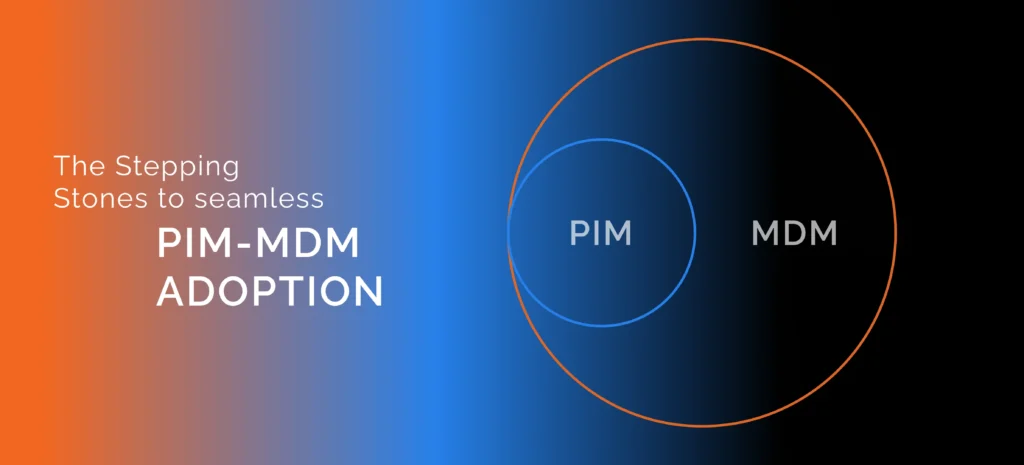
Second, MDM. Syndigo has long played in the MDM space. They’ve been leaders in the Gartner Magic Quadrant. It is one of the few products that does justice to both PIM and MDM. However, with PIM and Syndication being the front-runners, it appears that MDM had taken a back seat in the preceding year. In the latter half of 2023, however, MDM resurfaced as a key focus area. The strategy was to further strengthen the B2B customer master capabilities and at the same time, create a good B2C foundation. B2C customer solution is a key strategic area for 2024 as well, as stated by Simon, the CEO at Syndigo as well as Nikhil, the SVP of Product at Syndigo. As more and more businesses look to create unique Product and Customer experiences, Syndigo is ready to lead the market. In the coming months, they are set to complete their B2C master offering and merge their already industry-leading Digital Shelf Shopper Analytics with B2C to provide a truly unique offering to their customers. 

Third, AI Was there anyone who didn’t get caught up in the buzz and engagement with AI last year? At ThoughtSpark, we use Clickup for task management, Freshsales for CRM, Pitch for presentations, among others. I promise you, there is an AI module in each of these. I also promise you, nobody in my organisation utilises the AI modules in these solutions. I do though. But just to have fun with what it does. Not because any of it impacts my day-to-day work. But Syndigo started leveraging AI a while ago. They already have ML based matching for a couple of years now. However, 2023 was a year they pivoted to strategically leveraging AI. The theme was to foundationally build the solutions with AI at its core to give maximum value to end users – either by simplifying what they do or by automating and solving critical business problems for them – like OpenAI based content generation, Image analytics, Sentiment analysis, Content Moderation, to name a fe. There is now a dedicated AI product & engineering team focused on innovating around AI in this space. Can’t wait to see the robust AI roadmap for 2024 become a reality soon. 

Lastly, the UX. User experience was at the core of every story, every feature, every use case. There was a huge focus on ease of use, simplicity as well as self-serviceability. The user interfaces have become very persona-driven and intuitive based on how each user in their specific role interacts with the solution. Unlike a lot of other light weight solutions that claim simplicity, Syndigo has the ability to solve from very simple use cases to the most complex business scenarios across industry verticals. If you had asked me a year ago, I would have said that an MDM system cannot have simple UIs and definitely cannot be self-serviceable. However, Syndigo has made huge strides in this area. User experience is now very contextual, irrespective of the complexity.  
 
And simplicity remains a continued focus for 2024 as well, as is evident with the announcement of the launch of a lighter version of PIM. I believe, with a light easy PIM complementing their industry leading Syndication and Digital Experience solutions, Syndigo will position itself in a league of its own. Bye Bye Salsifys and Akeneos of the world. 
 
I recently attended the 2024 Syndigo Partner Kick-off event, where the leadership reiterated the strategic focus areas for 2024 – Continuing to lead the PXM market, Leveraging AI as enabler, enhancing customer domain for better consumer experience and focus on usability and UX. Clearly, 2023 was a building base to their long-term strategy and it is exciting to see them continue to double down on the areas they placed their bets on, months ago. These moves will shape up the industry in the coming years, and it is gonna be an interesting space to keep an eye on. Watch Out! 


Amit Rai

Amit Rai is the President at ThoughtSpark. With strong ideas on everything Data, AI and Tech, Amit loves to experiment, analyze, research and learn, thought-leading everyday. With nearly 15 years of experience in the Syndigo ecosystem, it was apt for Amit to do the 2023 Syndigo round-up.

About ThoughtSpark

ThoughtSpark is your go-to enabler in the Syndigo ecosystem, committed to enabling partner-centric sales and go to market strategies, in addition to implementation services. ThoughtSpark walks hand in hand, sharing insights, knowledge, and expertise to fuel its partner’s journey. Our ultimate mission is to enable the growth and unparalleled success of System Integrators across the Syndigo ecosystem.

Syndigo Wrapped 2023

The year 2023 marked a significant focus on partnerships in the Syndigo ecosystem. Syndigo started the year strong with two successful Partner Kick-Offs in Europe and North America, setting the right tone for 2023. These events facilitated insightful exchanges between Syndigo executives and partners.

The introduction of the Partner Advisory Board emerged as a crucial catalyst for ongoing innovation, serving as a vital feedback channel to Syndigo Product leadership. The first in-person meeting of the board at Syndigo Partner Connect in Chicago marked a significant milestone. Additionally, Syndigo launched the Partner Portal for lead management and established the Partner Support Desk to directly address partners’ queries. Skill enhancement took center stage through tailored product and sales training. In conjunction with other initiatives, Syndigo extended monthly consulting for partners, emphasizing collaborative growth. These nuanced yet transformative changes bear testament to Syndigo’s commitment to shaping the future of Master Data Management.

In the technical sphere, 2023 was a chapter of constant innovation, evolution and strategic advancements at Syndigo. Syndigo devoted itself to refining user experiences, particularly within the user interface (UI). Acknowledging the pivotal role the search functionality plays in a user’s journey, Syndigo made enhancements to the search experience by introducing various operators. The introduction of the Dynamic Authorization model was also a key highlight. This feature empowered users with exceptional control over permissions, dynamically aligning access permissions with specific business use cases.

Another noteworthy feature is the ability to generate sequence numbers within the application using business rule keywords. This serves as a unique identifier generator, making data organization more straightforward within the MDM framework. The introduction of the download and upload UI configuration files feature democratized what was once exclusive to developers, with access extended to anyone who needs to manage UI configurations independently.

In the realm of transparent data management, Syndigo gave a real boost to the System Monitoring Throughput Report. This insightful tool empowers MDM practitioners to track the average and peak throughput of their tenant, enabling data-driven decision-making and efficient data management practices.

These enhancements have contributed to a more dynamic and user-centric experience within Syndigo’s platform. They are a testament to Syndigo’s commitment to staying at the forefront of technological evolution. The initiatives undertaken on the Partner front underscore Syndigo’s holistic approach, acknowledging that growth and success are best achieved through collaborative efforts. We look forward to continuing our journey of growth and enablement with Syndigo, in 2024.

What is Product Information Management?

In today’s competitive marketplace, delivering accurate and consistent product information is not merely a necessity but a strategic advantage. Imagine a scenario where customers encounter discrepancies in product details across different channels or, worse, are faced with incomplete or outdated information. Such inconsistencies can lead to lost sales, damaged reputations, and a fragmented customer experience. Enter Product Information Management (PIM)—a game-changing approach designed to tackle these challenges head-on.

Product Information Management (PIM) is the systematic approach to managing and centralizing product data to ensure accurate and consistent information is available across all sales and marketing channels. This comprehensive system is crucial for businesses aiming to streamline operations, enhance customer experience, and drive growth. In this blog, we’ll explore what PIM is, why it’s essential, and how it can transform your approach to product information management.

What is Product Information Management?

Product Information Management (PIM) refers to a set of processes and tools that centralize, manage, and distribute product data across various channels and platforms. PIM systems consolidate all product-related information—descriptions, specifications, images, pricing, and inventory levels—into a single, unified repository. This centralization allows businesses to maintain consistency and accuracy in their product data, ensuring that all stakeholders, from internal teams to external partners, access reliable and up-to-date information.

A PIM system typically includes features for data enrichment, validation, and synchronization. These enable businesses to enhance product information, correct errors, and ensure that updates are reflected across all platforms. PIM systems help organizations manage their product catalogs more efficiently and effectively by providing a single source of truth for product data.

Why is Product Information Management Important?

1. Consistency Across Channels

Maintaining consistent product information across various platforms—such as e-commerce websites, mobile apps, social media, and brick-and-mortar stores—can be challenging in a multichannel environment. PIM systems address this issue as a central repository for product data. This ensures that customers encounter the same accurate product information regardless of where they interact with your brand.

Consistent product data enhances the customer experience, builds trust, and reduces confusion. Customers receiving reliable and uniform information are more likely to make informed purchasing decisions, leading to higher satisfaction and loyalty.

2. Improved Data Quality

High-quality product data is crucial for reducing errors, minimizing returns, and increasing customer satisfaction. PIM systems offer data enrichment and validation tools, allowing businesses to correct inaccuracies, fill in missing information, and standardize product attributes.

For example, PIM systems can automate updating product details across multiple channels, ensuring that any changes—such as price adjustments or new product descriptions—are consistently applied. According to a study by the Data Warehouse Institute, poor data quality can cost companies up to 15% of their revenue. Organizations can mitigate these costs by leveraging PIM to improve data quality and enhance their overall business performance.

3. Enhanced Product Management

Managing product data across various departments and systems can be cumbersome and error-prone. PIM systems streamline product management by centralizing data and providing tools for product lifecycle management. This includes features for managing product updates, coordinating with suppliers, and ensuring all product information is current and accurate.

A PIM system facilitates team collaboration by providing a unified platform for accessing and updating product data. This helps prevent duplication of efforts and ensures that all team members are working with the same information, improving efficiency and reducing the risk of errors.

4. Faster Time-to-Market

In a fast-paced market, speed is of the essence. PIM systems enable businesses to bring new products to market more quickly by streamlining the process of managing and distributing product information. By centralizing product data and automating updates, PIM systems reduce the time required to prepare product listings and launch new products across multiple channels.

A streamlined approach to product information management allows businesses to respond more rapidly to market trends, customer demands, and competitive pressures, giving them a competitive edge in the marketplace.

5. Better Customer Experience

Delivering a seamless and engaging customer experience is a key driver of business success. PIM systems contribute to a better customer experience by ensuring that product information is accurate, complete, and readily accessible. Customers can make informed purchasing decisions when they have access to reliable product details, images, and specifications.

Furthermore, PIM systems support personalized customer experiences by providing tools for segmenting and targeting specific audiences. This allows businesses to tailor product information and marketing messages to meet the needs and preferences of different customer segments.

Key Components of Product Information Management

1. Data Centralization

At the heart of a PIM system is the centralization of product data. This involves consolidating product information from various sources—such as suppliers, manufacturers, and internal systems—into a single repository. Centralized data management ensures that all product information is consistent and up-to-date.

2. Data enrichment

Data enrichment involves enhancing product information with additional details, such as product descriptions, specifications, and multimedia content. PIM systems provide tools for enriching product data, ensuring that it meets the needs of both customers and internal stakeholders.

3. Data Validation

Data validation is crucial for maintaining data accuracy and quality. PIM systems include features for validating product information to ensure that it meets predefined standards and rules. This helps prevent errors and inconsistencies in product data.

4. Data Synchronization

Data synchronization ensures that changes made to product information are reflected across all channels and platforms. PIM systems automate the process of synchronizing product data, reducing the risk of discrepancies and ensuring that customers receive accurate information.

5. Workflow Management

PIM systems often include workflow management features that facilitate reviewing, approving, and updating product information. This helps streamline the product information management process and ensures that all changes are properly vetted and implemented.

Implementing a Product Information Management System

Implementing a PIM system involves several key steps:

1. Assess Your Needs

Begin by assessing your organization’s product information management needs. Identify the types of product data you manage, the channels you distribute product information, and any pain points or challenges you currently face.

2. Choose the Right PIM Solution

Select a PIM solution that aligns with your needs and requirements. Consider factors such as scalability, ease of integration with existing systems, and the features offered by the PIM system. Evaluate different vendors and solutions to find the best fit your organization.

3. Plan for Data Migration

Data migration involves transferring existing product data into the new PIM system. Develop a plan for migrating data, including mapping data fields, cleansing data, and ensuring data accuracy. This step is crucial for ensuring a smooth transition to the new system.

4. Train Your Team

Provide training for your team to ensure they are familiar with the new PIM system and its features. Training should cover aspects such as data entry, data management, and workflow processes. Proper training helps ensure your team can use the PIM system effectively and maximize its benefits.

5. Monitor and Optimize

Once the PIM system is implemented, its performance and effectiveness are continuously monitored. Gather feedback from users and make any necessary adjustments to optimize the system. Regularly review and update product data to ensure it remains accurate and relevant.

Conclusion

Product Information Management (PIM) is a critical component of modern business operations, enabling organizations to centralize, manage, and distribute product data efficiently. By providing a unified repository for product information, PIM systems enhance consistency, improve data quality, streamline product management, and ultimately contribute to a better customer experience.

Investing in a robust PIM system can give your business a competitive edge in a world where accurate and reliable product information is essential for success. As you navigate the complexities of product data management, embracing PIM will help you deliver a seamless and engaging customer experience while driving growth and efficiency within your organization.

What Is Master Data Management?

In an era where data is often touted as the new oil, ensuring its quality and consistency is more critical than ever. Yet, many organizations struggle with fragmented, inconsistent data that hampers their ability to make informed decisions. This is where Master Data Management (MDM) comes into play.

Imagine running a business where customer information, product details, and financial data are scattered across various systems, each with its version of the truth. This chaos not only leads to inefficiencies and errors but also impairs decision-making. According to a report by IBM, poor data quality costs organizations an average of $12.9 million annually. Master Data Management addresses these challenges by providing a single, authoritative source of truth for critical business data.

MDM is a strategic approach designed to ensure that key data—often called “master data”—is accurate, consistent, and accessible across the entire organization. This unified approach allows businesses to streamline operations, enhance decision-making, and maintain compliance, all while reducing data-related risks and costs.

In this article, we’ll explore MDM, why it’s essential, and how it can transform your organization’s data management practices. We’ll also delve into real-world examples and address frequently asked questions to help you understand how MDM can benefit your business.

Understanding Master Data Management

Master Data Management is a comprehensive approach to managing an organization’s critical data to ensure consistency, accuracy, and accountability. MDM involves creating a single, authoritative source of truth for key business data, often called “master data,” which includes information about customers, products, employees, suppliers, and more.

MDM aims to ensure that all data across the enterprise is accurate, consistent, and up-to-date, providing a reliable foundation for business processes, analytics, and decision-making.

The Importance of Master Data Management

1. Consistency Across Systems

Organizations typically use various systems for different functions—CRM for customer data, ERP for financials, and HR systems for employee records. Without MDM, these systems can have discrepancies, leading to inconsistent data. For instance, a customer’s address might be updated in one system but not in another, causing confusion and errors.

According to a study by IBM, poor data quality costs businesses an average of $12.9 million annually. MDM helps mitigate these costs by ensuring that data remains consistent across all systems.

2. Enhanced Decision-Making

Accurate and reliable data is crucial for strategic decision-making. MDM provides a unified view of critical data, allowing executives to make informed decisions based on comprehensive and accurate information. For example, having a single, reliable customer record can improve targeted marketing efforts and enhance customer service.

A survey by Gartner found that organizations with effective data management practices are 1.5 times more likely to make better business decisions compared to those without.

3. Improved Data Governance

MDM facilitates better data governance by establishing clear ownership, data quality standards, and processes for managing data. This ensures compliance with regulatory requirements and reduces the risk of data breaches. For example, MDM can help organizations comply with regulations like GDPR by maintaining accurate and up-to-date customer consent records.

4. Streamlined Operations

Efficient data management through MDM reduces duplication and redundancy, streamlining business processes. This can lead to operational cost savings and improved efficiency. For instance, integrating supplier data from various departments can reduce procurement errors and improve supplier relationship management.

Key Components of Master Data Management

MDM involves several key components to manage master data effectively:

1. Data Integration

Data integration involves consolidating data from different sources into a single, cohesive view. This is typically achieved through data integration tools and technologies that extract, transform, and load (ETL) data from various systems.

2. Data Quality Management

Ensuring data quality is a core aspect of MDM. This includes validating data accuracy, completeness, and consistency. Data quality management tools can help identify and rectify errors and inconsistencies.

3. Data Governance

Data governance establishes policies, procedures, and standards for managing data. This includes defining data ownership, data stewardship roles, and data management processes.

4. Data Modeling

Data modeling involves designing the structure and relationships of master data. This helps in defining how data entities are related and how they should be stored and accessed.

5. Data Synchronization

Data synchronization ensures that changes made to master data are reflected across all systems and applications. This helps maintain consistency and avoid data discrepancies.

Implementing Master Data Management

Implementing MDM involves several steps:

1. Assess Data Needs

Begin by assessing the data needs of your organization. Identify the critical data elements that require management and determine how they are used across different systems.

2. Develop a Data Strategy

Create a data strategy that outlines your MDM goals, objectives, and the approach to achieve them. This should include a roadmap for data integration, quality management, and governance.

3. Select MDM Tools and Technologies

Choose MDM tools and technologies that align with your data strategy and requirements. These tools should support data integration, quality management, and governance.

4. Establish Data Governance

Implement data governance policies and procedures to manage data effectively. Define roles and responsibilities for data stewardship and establish processes for data quality management.

5. Monitor and Maintain

Regularly monitor and maintain your MDM system to ensure data quality and consistency. This includes ongoing data integration, quality checks, and updates to data governance policies.

Challenges in Master Data Management

While MDM offers numerous benefits, it also comes with challenges:

1. Data Integration Complexity

Integrating data from multiple sources can be complex, especially if the data is stored in different formats or systems. Ensuring seamless data integration requires careful planning and the right tools.

2. Data Quality Issues

Maintaining data quality can be challenging, particularly if there are frequent changes to data. Implementing robust data quality management processes is crucial to address these issues.

3. Change Management

Implementing MDM often involves changes to existing processes and systems. Managing these changes and ensuring buy-in from stakeholders can be challenging.

4. Cost

Implementing and maintaining an MDM system can be costly, particularly for large organizations. It’s important to weigh the benefits against the costs and ensure that the investment aligns with your organization’s goals.

Conclusion

Master Data Management is a critical strategy for managing and maintaining the integrity of an organization’s data. By providing a single, authoritative source of truth, MDM helps ensure consistency, accuracy, and reliability across all systems and processes. Despite the challenges, the benefits of MDM—such as improved decision-making, enhanced data governance, and streamlined operations—make it a valuable investment for any data-driven organization.

In a world where data is a crucial asset, effective MDM can make the difference between success and failure. As businesses continue to navigate the complexities of the digital landscape, embracing MDM is essential for staying competitive and achieving long-term growth.