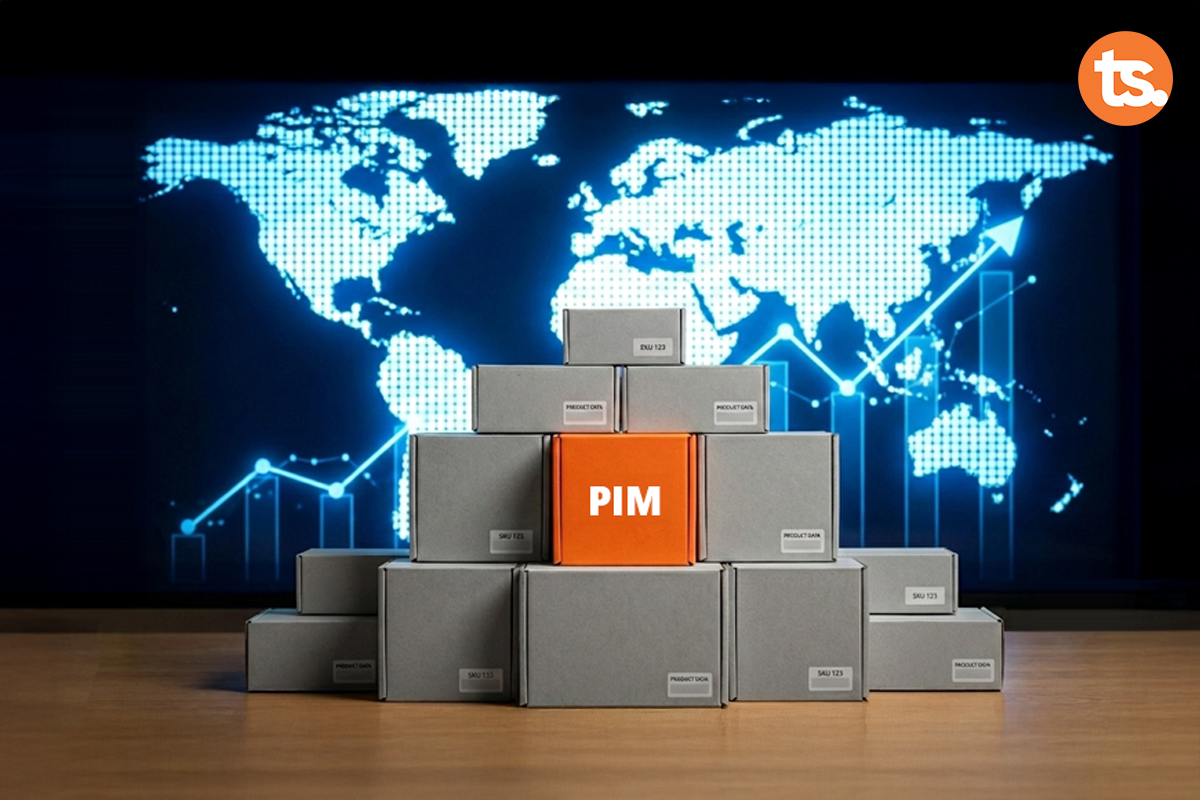

10 Key Benefits of PIM for Faster Growth and Higher Sales

Your team spends hours hunting for the latest product specifications across spreadsheets, emails, and shared drives. A small inaccuracy—an outdated price, incorrect size, or missing attribute—can quickly lead to customer complaints, returns, and lost sales.

Poor product data costs businesses an estimated 15–25% of revenue through inefficiencies and missed opportunities. In today’s omnichannel environment, consistent and accurate product information isn’t optional—it’s foundational to trust, conversions, and growth.

This is where the benefits of PIM start to become clear. A Product Information Management system creates a single source of truth for all product data, ensuring accuracy and consistency across e-commerce platforms, marketplaces, print catalogs, and sales teams.

At ThoughtSpark, we specialize in data, AI, and digital transformation. We help organizations implement AI-enhanced PIM strategies that turn product information into a strategic asset, enabling faster innovation and measurable ROI.

Did You Know?
PIM management is 6x faster than Excel, yet 70% of retailers still rely on spreadsheets—leaving revenue on the table.

What Is Product Information Management?

Product Information Management (PIM) is a centralized platform that collects, manages, enriches, and distributes product information across all channels. Think of it as the command center for your product catalog—handling descriptions, specs, images, pricing, translations, and more.

In 2026, with the global PIM market valued at $15.62 billion and projected to nearly double to $31.98 billion by 2029 (CAGR 15.4%), adoption is accelerating because businesses can no longer afford inconsistent data in an era of instant customer expectations

Top 10 Benefits of PIM

1. One Single Source of Truth

It stops everyone in your company from using different, conflicting information.

Example: Imagine your warehouse has the weight of a coffee maker as 5 kg, but the website lists it as 3 kg. With a PIM, everyone—sales, web team, customer service—pulls the correct 5 kg data from one central hub, eliminating confusion and errors.

2. Update Everything at Once, Instantly

Change information in one place, and it updates automatically everywhere you sell.

Example: You need to lower the price of a jacket for a flash sale. Instead of manually logging into Amazon, Shopify, and Walmart to change it, you update the price once in the PIM, and it pushes the new price to all those stores simultaneously.

3. Fewer Costly Mistakes

It drastically reduces human errors that lead to returns, bad reviews, and lost sales.

Example: A customer buys a blue shirt online but receives a red one because the warehouse had the wrong color code. A PIM ensures the “SKU 123” is always linked to “Blue” across all systems, so the right item is always shipped.

4. Sell on More Channels Easily

It formats your product info to meet the specific requirements of any new sales platform.

Example: You want to start selling on Home Depot’s marketplace. Their system needs unique codes and specific image sizes. Your PIM can automatically reorganize and export your product data into Home Depot’s exact required format, saving you weeks of manual work.

5. Launch New Products Faster

It streamlines and organizes the process of getting a product ready for sale.

Example: To launch a new smartphone, your marketing team needs descriptions, the tech team needs specs, and sales needs distributor info. A PIM provides a shared checklist and workspace where all teams can complete their parts efficiently, cutting the launch time from weeks to days.

6. Give Shoppers Richer, Better Information

It allows you to easily add all the details (videos, manuals, ingredient lists) that help customers feel confident buying.

Example: For a new blender, you can store and manage not just photos, but also a “how-to” video, the PDF instruction manual, a recipe booklet, and a detailed nutritional guide for smoothie mixes all in the PIM, making your product page much more helpful.

7. Make Your Team More Collaborative

It gets your marketing, sales, and support teams on the same page—literally.

Example: When customer support gets a question about a product’s compatibility, they can look in the PIM and see the exact, approved answer that the product manager wrote, instead of guessing or giving inconsistent information.

8. Improve Your Search Engine Ranking

Complete, well-organized product data is what search engines like Google love to show.

Example: A PIM helps you ensure every product page has a unique title, a complete description, and properly tagged “alt text” for images. This gives search engines more clear signals about your products, helping you rank higher in search results.

9. Expand Globally Without the Headache

It neatly organizes all the different languages, currencies, and local regulations for international markets.

Example: Selling a hair dryer in the US, UK, and Germany? The PIM can store the product description in English (US and UK versions) and German, list prices in dollars, pounds, and euros, and track the different electrical compliance labels required for each country.

10. Save Money and Increase Profit

PIM automates manual work, reduces errors, and helps sell more—all of which improve your bottom line.

Example: By eliminating manual data entry jobs, reducing product return rates from wrong info, and boosting sales with better product pages, the benefits of PIM pays for itself. The savings and new revenue directly increase your profit margins.

Ready to Experience the Benefits of PIM?

Don’t let scattered product data hold your business back in 2026.

If you’re serious about efficiency, revenue growth, and digital leadership, let’s talk.

Schedule a free PIM strategy consultation with ThoughtSpark today

We’ll analyze your current challenges and map out a clear path to leverage benefits of PIM for growth, efficiency, and unbeatable customer experiences.
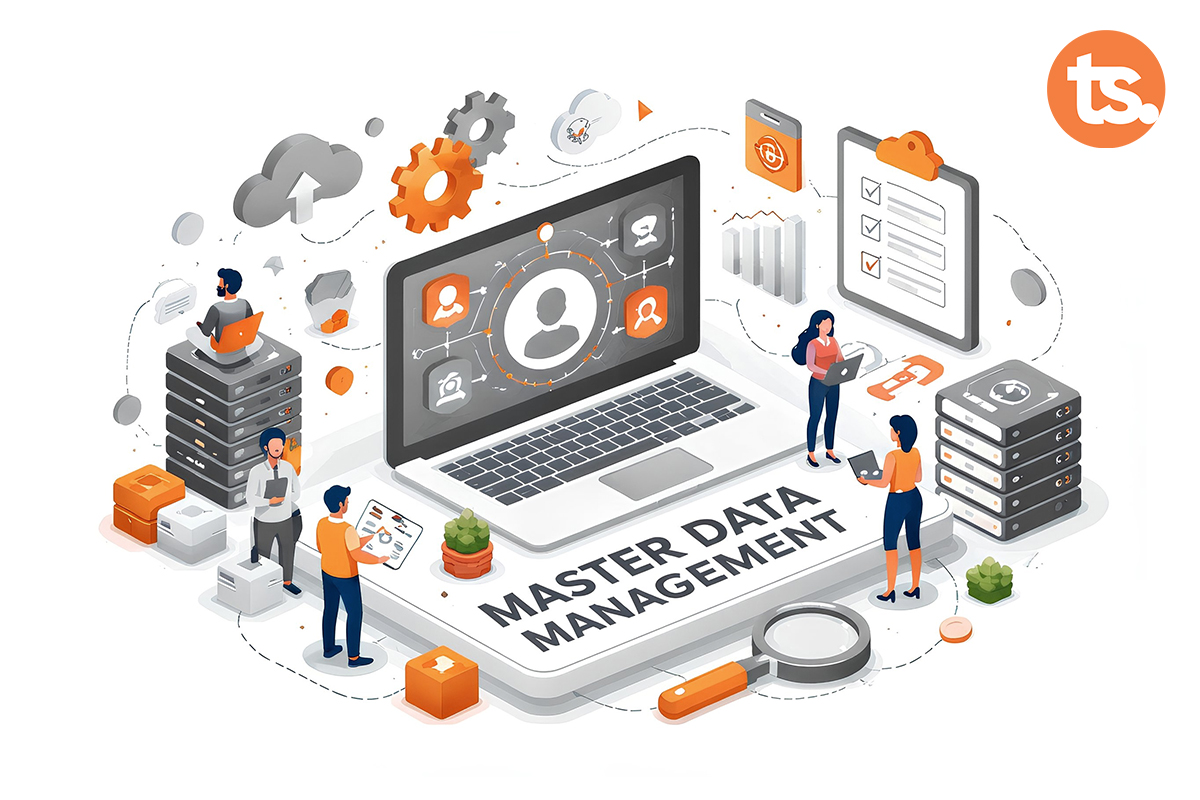
Benefits of Master Data Management: 10 Proven Business Wins

Introduction:

Imagine this, It’s Monday morning.

Your Head of Sales presents a report showing a 15% increase in customer retention.
Ten minutes later, your CFO walks in with a spreadsheet showing a 5% decline.

The room goes quiet.

This isn’t a reporting issue. It’s a leadership problem.

In 2026, the benefits of Master Data Management are impossible to ignore, data is the lifeblood of every organization—but for most enterprises, that data is fragmented, duplicated, and unreliable. Customer records live in dozens of systems. Product codes don’t match across platforms. Teams argue over whose numbers are correct.

According to Gartner, poor data quality costs organizations an average of $12.9 million per year.

At ThoughtSpark, we see this pattern repeatedly across B2B SaaS and data-driven enterprises. The companies that win are not the ones with the most data—they are the ones with the most trusted data.

That is where the benefits of Master Data Management (MDM) move from a “nice-to-have” initiative to a business-critical capability.

What Is Master Data Management (MDM)?

Master Data Management (MDM) is the discipline of creating and maintaining a single, trusted source of truth for an organization’s most critical business data—across all systems, teams, and processes.

MDM goes beyond basic data cleaning. It establishes:

  • Governance
  • Ownership
  • Standardization
  • Ongoing accuracy

In simple terms, MDM ensures that everyone in the organization works from the same, correct information.

Core Types of Master Data

  • Customer data: names, addresses, preferences, interaction history
  • Product data: SKUs, descriptions, specifications, pricing
  • Supplier data: vendors, contracts, performance metrics
  • Location data: offices, warehouses, retail locations
  • Asset data: equipment, infrastructure, digital assets
  • Employee data: roles, hierarchies, skills

Simple example:

Without MDM: Customer John Smith has 3 different addresses in your systems. Marketing emails the wrong person. Shipping sends to an old address. Sales can’t reach him.

With MDM: One correct record. Everyone sees the same info. No mistakes.

Think of MDM as your company’s single source of truth. When everyone works from the same information, everything runs smoother.

What Happens Without Master Data Management?

Before exploring the benefits, it’s important to understand the alternative.

Without MDM, organizations experience:

  • Conflicting reports across departments
  • Poor customer experiences
  • Failed digital and AI initiatives
  • Compliance risks and regulatory exposure
  • Rising operational costs
  • Slow, uncertain decision-making

In short, growth becomes harder and risk increases.

10 Key Benefits of Master Data Management

1. Establish a Single Source of Truth Across the Company

Most companies store the same data in multiple systems, and each team views it differently. This creates confusion, inconsistent reports, and slow decision-making. Master Data Management brings all critical business data into one trusted source that everyone uses.

Real-world example:
Your sales team says you have 50,000 customers. Marketing says 65,000. Finance says 48,000. Who’s right? Nobody knows because each department tracks customers differently.
With MDM, everyone sees the same number: 52,347 unique customers. No confusion, no wasted time reconciling spreadsheets.


2. Accurate, Duplicate-Free Data Across All Systems

Data errors and duplicates slowly pile up in most systems and affect reporting and operations. Master Data Management automatically cleans, standardizes, and merges records so data stays accurate over time.

Real-world example:
A customer places an order online. They type their address as “123 Main St” but your system has “123 Main Street” from a previous order. Now you have two records for the same person.
MDM spots this instantly, merges the records, and updates everything. One customer, one accurate profile.


3. Customers Get Better Experiences

When customer data is scattered, service feels disconnected. Master Data Management brings all customer information together so every team sees the full picture.

Real-world example:
Sarah buys running shoes from your website on Monday. On Tuesday, she visits your store. The sales associate has no idea about her online purchase and tries to sell her the same shoes again. Awkward.
With MDM, the store associate sees Sarah’s online order immediately and says, “I see you ordered running shoes! Can I help you find matching workout gear?” Sarah feels recognized and valued.


4. Leaders Make Faster, Better Decisions

Leaders often lose time validating data before they can act. Master Data Management ensures reports and dashboards are accurate, so decisions happen faster.

Real-world example:
Your CEO asks, “What’s our best-selling product category this quarter?”
Without MDM, you spend 3 days collecting data from different systems, reconciling differences, and building a report. By then, the meeting is over.
With MDM, you pull up a dashboard and answer in 30 seconds: “Athletic footwear, up 18% from last quarter.”


5. You Stay Compliant and Avoid Fines

Meeting data regulations is difficult when information is spread across systems. Master Data Management helps you find, control, and manage data consistently.

Real-world example:
A customer in Europe requests deletion of their data under GDPR (their legal right). You think you’ve deleted everything, but their information is still in 3 other systems you forgot about. That’s a violation worth up to €20 million in fines.
With MDM, you search once, find all instances of that customer’s data across every system, and delete everything properly. Compliance complete.


6. Operations Run Smoother and Cost Less

Disconnected data leads to duplicated work, errors, and unnecessary spending. Master Data Management helps eliminate this waste by standardizing data across systems.

Real-world example:
Your company orders office supplies from the same vendor through 5 different purchasing systems. You’re paying 5 different prices for the same pens because nobody realizes you’re all buying from the same supplier.
MDM reveals you’re actually buying from “ABC Office Supply,” “ABC Office Supplies Inc,” and “ABC Supply Company”—all the same vendor. You consolidate, negotiate better pricing, and save $200,000 annually.


7. Digital Projects Actually Succeed

New technology struggles when built on poor data. Master Data Management provides clean, consistent data that digital initiatives depend on.

Real-world example:
You launch a fancy new mobile app so customers can track orders. But the app shows wrong delivery dates because it’s pulling from old, inaccurate data. Customers complain. The app fails.
With MDM, the app pulls from your single source of truth. Delivery dates are accurate. Customers love it. The app succeeds.


8. Someone Is Actually Responsible for Data Quality

When no one owns the data, quality quickly declines. Master Data Management clearly defines who is responsible for each type of data and how it should be managed.

Real-world example:
Product descriptions on your website are a disaster. Some are detailed, some are empty, some have typos. Nobody knows whose job it is to fix them, so nobody does.
MDM establishes that the Product Marketing team owns product data. They have standards, review processes, and accountability. Product pages improve. Sales increase.


9. AI and Analytics Finally Work Right

AI and analytics depend on clean data. When data is inconsistent, results are unreliable. Master Data Management ensures advanced tools work with accurate information.

Real-world example:
You build a machine learning model to predict which customers will buy next month. But your training data includes duplicate customers, so the model thinks John Smith and J. Smith are different people. The predictions are garbage.
With MDM, the model trains on clean, accurate data. It correctly identifies high-probability buyers. Your marketing campaigns hit the right people and sales jump 30%.


10. Your Data Becomes a Revenue Source

When data is accurate and well-managed, it can create new revenue opportunities beyond daily operations.

Real-world example:

You run an e-commerce platform for online sellers. You see which products sell faster, what pricing works, and when demand spikes.

You turn these insights into a paid “Seller Intelligence” feature that helps merchants make better pricing and inventory decisions.

Conclusion:

Ready to unlock the full benefits of Master Data Management and accelerate business growth?

ThoughtSpark helps organizations eliminate data chaos and unlock the true value of Master Data Management to move faster, reduce costs, and scale AI with confidence.

Schedule a Free 1-on-1 Data Strategy Audit with ThoughtSpark
Let’s turn your data into your greatest competitive advantage.